
Expert Picks For Concrete Leveling Tools and Materials
Find out which products professionals trust for efficient and long-lasting concrete leveling projects.
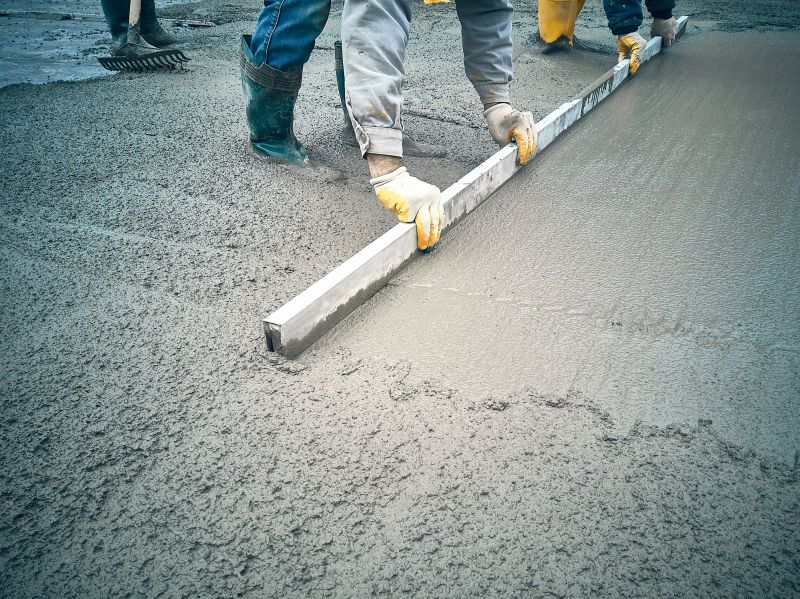 Concrete leveling is an essential process for maintaining the safety, functionality, and appearance of various surfaces around homes and commercial properties. Over time, concrete slabs can settle, crack, or develop uneven spots due to soil movement, moisture changes, or structural shifts. Addressing these issues promptly can prevent further damage, improve safety, and restore the surface’s usability. There are numerous products available designed to help with concrete leveling, each suited for different scenarios and preferences.
Top Overall Option
Polyurethane Foam Concrete Leveling System
This versatile system involves injecting a specialized polyurethane foam beneath the concrete slab to lift and stabilize it. It is suitable for a range of unevenness and can be used for residential and commercial applications. The foam expands to fill voids and provides a quick, minimally invasive solution that can restore the surface to a more even position. Its fast curing time and strong adhesion make it a popular choice for many concrete leveling projects.
Types of Products For Concrete Levelings
Self-Leveling Concrete Compound
A liquid mixture that flows easily to fill low spots and create a smooth, level surface when poured over uneven concrete.
Polyurethane Foam Injection
A foam-based solution injected beneath slabs to lift and stabilize uneven concrete efficiently.
Mud Jacking/Slab Jacking Material
A cement-based slurry used to lift sunken concrete slabs by pumping beneath the surface.
Epoxy Concrete Repair Kits
Resin-based kits designed to fill cracks and minor surface imperfections, providing a durable repair.
Polymer-Modified Cement Mixes
Cement mixes enhanced with polymers for improved adhesion and flexibility, suitable for patching and leveling.
Rapid-Setting Concrete Patches
Pre-mixed patches that cure quickly to address small cracks and surface damage.
Hydraulic Cement
A fast-setting cement used to seal cracks and prevent water intrusion in concrete surfaces.
Concrete Resurfacing Products
Thin overlays that restore the appearance and level of worn or damaged concrete surfaces.
Liquid Cementitious Fillers
Fluid materials used to fill voids and minor depressions on concrete surfaces.
Polymer-Modified Overlay
A layer applied over existing concrete to smooth out unevenness and improve surface durability.
Popular Choices
Widely used for creating flat, smooth surfaces on floors and slabs, suitable for various thicknesses.
Commonly employed for residential and commercial leveling projects, offering quick results.
Popular for addressing minor cracks with easy-to-apply solutions that help prevent further damage.
Often chosen for larger areas needing to be lifted or leveled with a cement-based solution.
Ideal for quick repairs of surface damage and minor unevenness.
Favored for structural repairs and crack stabilization in concrete surfaces.
Popular for restoring worn or uneven surfaces with a fresh, smooth finish.
Commonly used for sealing active leaks and cracks in concrete structures.
Chosen for their flexibility and adhesion qualities in surface restoration.
Used frequently for filling gaps beneath slabs and stabilizing foundations.
Many of these products are formulated to be easy to use, allowing homeowners and professionals alike to achieve a more level surface without extensive demolition or reconstruction. From self-leveling compounds to polyurethane foam injections, the options vary in application methods, curing times, and suitability for different types of cracks or unevenness. Proper selection of the right product depends on the specific condition of the concrete, the size of the area, and the desired longevity of the repair.
When choosing products for concrete leveling, it’s important to consider factors such as the product’s compatibility with existing concrete, ease of application, drying or curing times, and overall durability. Some products are designed for minor surface adjustments, while others can handle larger, more severe unevenness. Additionally, safety precautions, such as ventilation requirements and protective gear, should be reviewed to ensure safe handling during application.
Ultimately, the right product can help achieve a smooth, level surface that enhances safety and aesthetics. Whether you are addressing a small crack or a large uneven slab, understanding the different types of leveling materials available will enable you to make an informed decision tailored to your specific needs.
Key Buying Considerations
- Determine the extent of unevenness or damage to select the appropriate product type.
- Consider whether the product is suitable for interior or exterior use based on exposure conditions.
- Evaluate the curing or drying time to fit your project timeline.
- Check compatibility with existing concrete materials and surfaces.
- Assess ease of application, especially if DIY installation is intended.
- Review the product’s adhesion properties to ensure long-term stability.
- Consider the size of the area to be leveled to choose the right quantity or coverage.
- Understand safety precautions required during application, such as ventilation or protective gear.
- Look for products that offer flexibility or crack-bridging capabilities if necessary.
- Examine the durability and resistance to weather, moisture, or temperature fluctuations.
- Identify if the product can handle structural or only cosmetic repairs.
- Check for any special preparation or surface cleaning required before application.
- Review manufacturer instructions and recommended usage guidelines.
- Consider the environmental conditions, such as humidity and temperature, during application.
- Research customer reviews or expert opinions for insights into product performance.