Common Causes of Settling in Commercial Concrete Slabs
People seeking concrete slab mudjacking often want to lift and stabilize sunken slabs caused by soil shifting or erosion, and local contractors can provide effective solutions.
Understanding the common causes of settling in commercial concrete slabs is essential for property owners who want to maintain safe and functional outdoor spaces. Settling can lead to uneven surfaces, cracks, and potential safety hazards, making it a concern worth exploring. Property owners in the area might find it helpful to learn about factors such as soil composition, improper foundation preparation, and moisture fluctuations-issues that often contribute to uneven settling over time. Recognizing these causes can help in making informed decisions about repairs or preventative measures, including the services offered by local contractors experienced in concrete slab mudjacking.
Many property owners turn to local service providers for solutions when settling issues arise. Mudjacking, in particular, is a practical method for restoring the levelness of uneven concrete slabs caused by these common issues. By addressing the underlying causes of settling, local pros can help extend the lifespan of concrete surfaces and improve safety. Exploring these causes and understanding the role of expert repairs can empower property owners to take proactive steps toward maintaining durable, level concrete areas on their property.
- When commercial slabs experience uneven settling due to soil compaction issues, local contractors often use mudjacking to restore stability. - For slabs that have shifted because of poor soil drainage, local service providers can lift and level the concrete efficiently with mudjacking techniques. - When underlying soil erosion causes cracks and sinking in commercial concrete, local pros typically perform mudjacking to fill voids and stabilize the surface. - In cases where expansive clay or moisture fluctuations lead to slab movement, local contractors apply mudjacking to relevel and reinforce the concrete. - For slabs affected by improper initial installation or soil settlement over time, local service providers often recommend mudjacking to correct the unevenness.
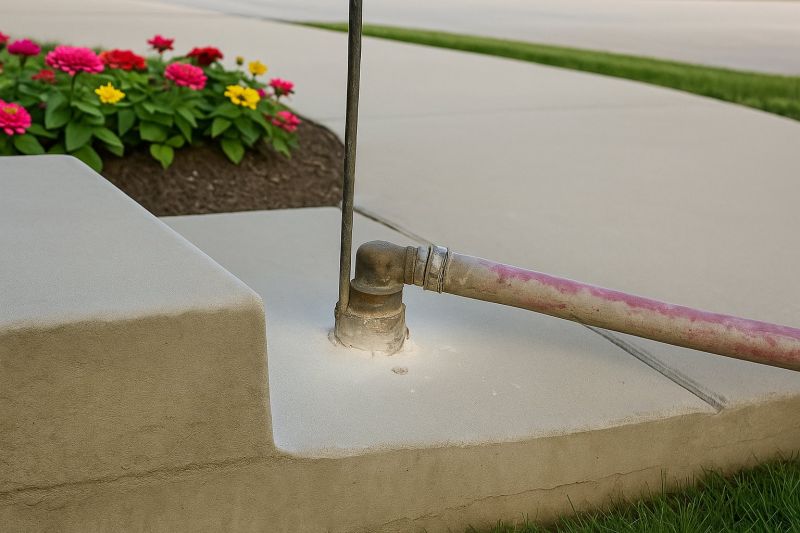
Understanding common causes of settling in commercial concrete slabs is essential for property owners and managers who notice uneven or sinking sections in their outdoor or indoor surfaces. When searching for this topic, many people are typically concerned about the structural integrity and safety of their commercial spaces, such as parking lots, walkways, loading docks, or warehouse floors. Settling can lead to cracks, uneven surfaces, and trip hazards, which may affect accessibility and overall property value. Recognizing the root causes helps property owners plan appropriate repairs and maintenance, often involving local contractors who specialize in mudjacking or slab leveling to restore stability and prevent further issues.
Settling in commercial concrete slabs often relates to underlying problems with the soil or foundation beneath the slab. Common causes include soil compaction issues, where the ground was not properly prepared before pouring the concrete, leading to weak spots that shift over time. Water-related problems are also prevalent; poor drainage, excessive moisture, or seasonal freeze-thaw cycles can weaken soil support, causing the slab to sink or crack. Additionally, soil erosion or the presence of expansive clay soils that swell when wet and shrink when dry can create uneven pressure beneath the slab. Understanding these causes helps property owners identify whether settling is due to poor initial construction or ongoing environmental factors that require targeted solutions.
Certain types of properties are more prone to experiencing settling issues in their concrete slabs. Commercial properties with large, flat surfaces such as parking lots, loading areas, or industrial floors are particularly vulnerable because they bear significant weight and are exposed to varying weather conditions. Properties built on clay or unstable soils tend to face higher risks of uneven settling, especially if proper soil stabilization measures were not implemented during construction. Additionally, older properties with concrete slabs that have not been maintained or inspected regularly may develop settling problems over time. Recognizing the property types and conditions most affected by these issues can guide property owners toward appropriate assessments and repairs by local service providers.
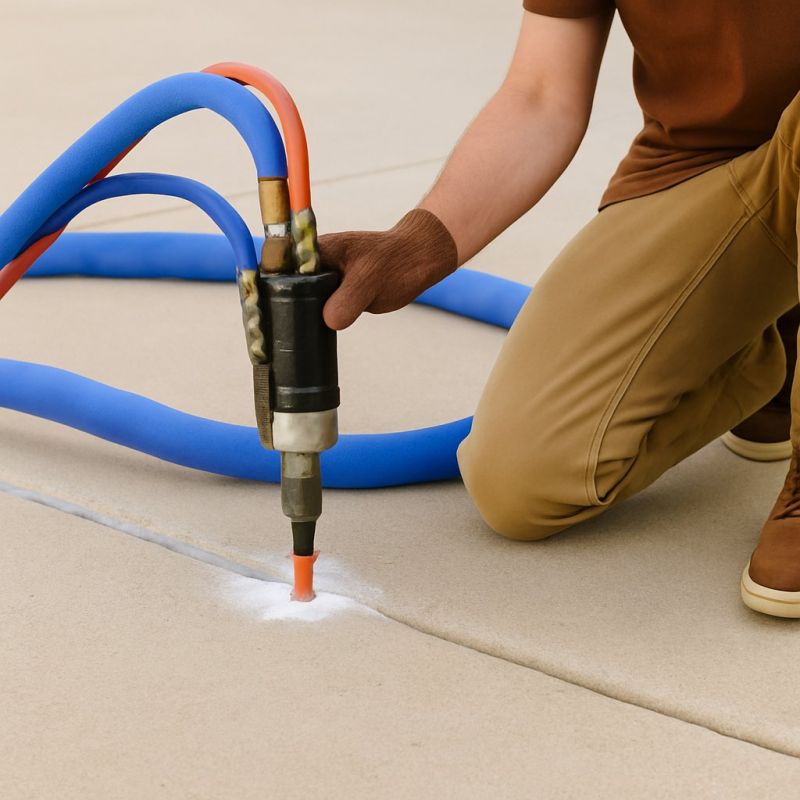
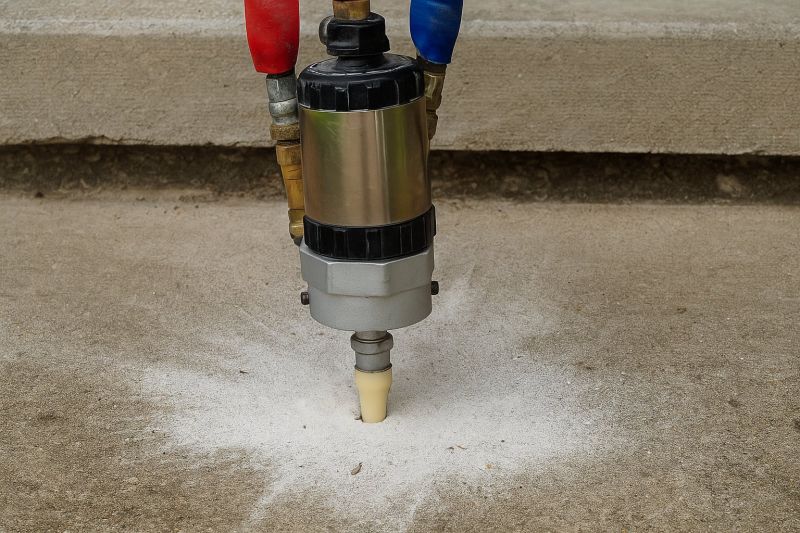
Local contractors who specialize in slab leveling and mudjacking play a crucial role in addressing common causes of settling in commercial concrete slabs. These professionals assess the underlying soil and foundation conditions to determine the root cause of settling and recommend suitable repair methods. Mudjacking involves injecting a specialized mixture beneath the slab to lift and stabilize it, effectively counteracting the effects of soil movement or erosion. Properly addressing the causes of settling not only restores a level surface but also helps prevent future problems, ensuring the safety and functionality of commercial spaces. Connecting with experienced local service providers can provide the expertise needed to evaluate the situation accurately and implement effective solutions tailored to the specific property’s needs.
Foundation Repair Projects - expertise in addressing soil instability and ground movement makes foundation repair services relevant to understanding settling issues in concrete slabs.
Pavement Restoration Services - skills in leveling and stabilizing surfaces are similar to those used in mudjacking commercial concrete slabs affected by settling.
Soil Stabilization Projects - knowledge of soil properties and ground treatment techniques aligns with methods used to prevent and correct slab settling.
Driveway and Parking Lot Resurfacing - requires expertise in leveling uneven surfaces, which is essential when repairing settling concrete slabs.
Structural Reinforcement Services - understanding load distribution and ground support helps in addressing causes of slab settling and stabilization.
Landscape and Hardscape Installations - planning and executing ground preparation and leveling are skills that support proper slab stabilization and repair work.
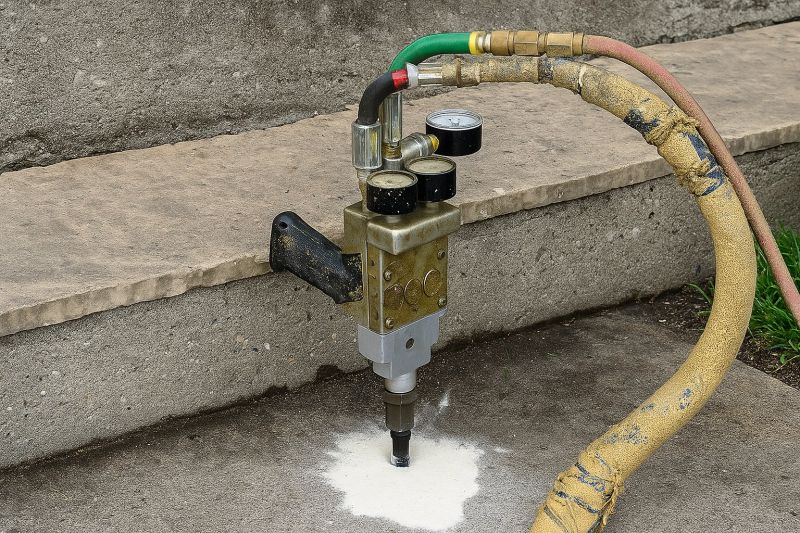
When evaluating contractors for concrete slab mudjacking, it is important to consider their experience with similar projects. Homeowners should inquire about the types of commercial slabs the service providers have worked on and whether they have addressed common causes of settling such as soil erosion, improper compaction, or underlying soil instability. An experienced contractor will understand the nuances of these issues and be better equipped to assess the specific conditions of the slab, ensuring that the repair approach is appropriate and effective.
Clear, written expectations are essential when comparing local contractors for mudjacking services. Homeowners should seek detailed estimates that outline the scope of work, materials to be used, and the process for addressing the common causes of settling in commercial concrete slabs. Having this information in writing helps prevent misunderstandings and provides a basis for evaluating the professionalism and transparency of each service provider. It also ensures that both parties are aligned on the work to be performed and the expected outcomes.
Reputable references and strong communication skills are valuable indicators of a reliable contractor. Homeowners are encouraged to ask for references from previous clients who had similar work completed, particularly involving issues related to settling and soil-related causes. Good communication involves timely responses, clear explanations of the repair process, and a willingness to answer questions. These qualities help ensure that the homeowner remains informed throughout the project and that the contractor demonstrates a professional approach to handling the unique challenges posed by common causes of settling in commercial concrete slabs.
Property owners often search for common causes of settling in commercial concrete slabs when they are planning practical projects around their homes and businesses. Local pros provide Concrete Slab Mudjacking services for everyday jobs and straightforward project options.
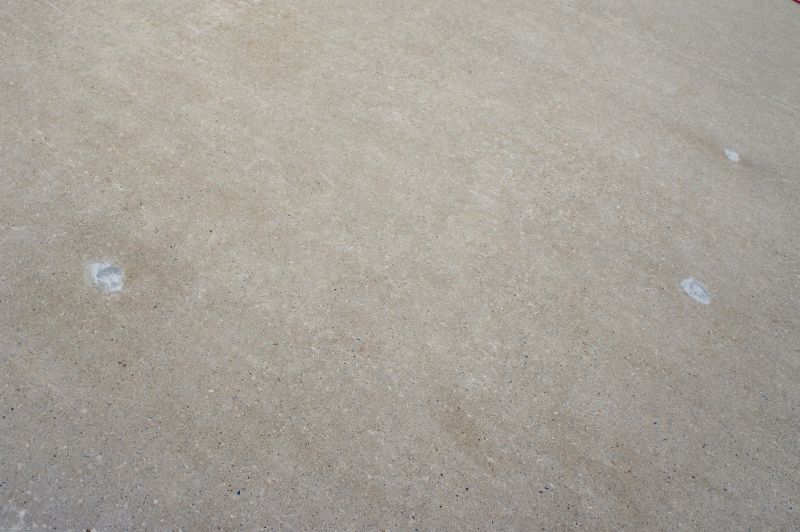
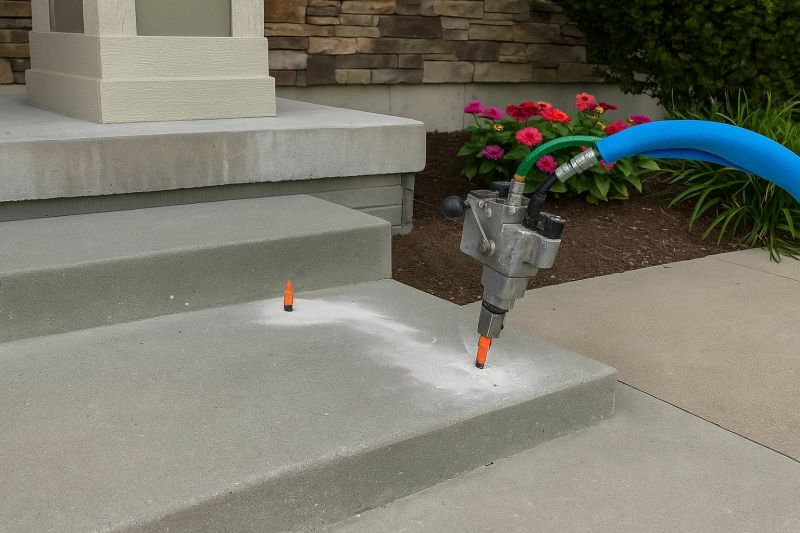
Understanding the common causes of settling in commercial concrete slabs can help property owners recognize early signs of potential issues. Factors such as improper soil preparation before pouring, inadequate compaction, or unstable ground conditions are often behind uneven settling. Additionally, changes in moisture levels beneath the slab-whether due to poor drainage, groundwater fluctuations, or nearby landscaping-can lead to shifting and sinking over time. When these issues occur, property owners might notice cracks, uneven surfaces, or depressions forming, prompting them to seek solutions like concrete slab mudjacking to restore stability and levelness.
Local contractors who specialize in concrete repair services are equipped to address these settling problems effectively. They can assess the underlying causes, whether related to soil stability or moisture issues, and recommend appropriate corrective measures. Mudjacking is a common method used to lift and stabilize sunken slabs, helping to prevent further damage and maintain the safety and functionality of commercial spaces. Connecting with experienced service providers ensures that settling issues are handled with proper techniques, tailored to the specific conditions of each property.
What are common causes of settling in commercial concrete slabs? Common causes include soil shrinkage, inadequate compaction during installation, and changes in moisture levels beneath the slab which can lead to uneven settling.
How does soil type contribute to settling issues in concrete slabs? Soil types such as clay or loose sandy soils are more prone to shifting or shrinking, which can cause the concrete slab to settle unevenly over time.
Can poor preparation before pouring concrete lead to settling problems? Yes, insufficient soil compaction or failure to properly grade the subsoil can result in uneven support, increasing the risk of settling in the finished slab.
How do moisture fluctuations affect the stability of commercial concrete slabs? Variations in moisture levels can cause the soil beneath the slab to expand or shrink, leading to uneven settling and potential cracking.
What role do underlying utilities or debris play in causing settling? The presence of underground utilities, debris, or voids can weaken support beneath the slab, increasing the likelihood of uneven settling over time. Local contractors experienced in slab stabilization can address these issues through mudjacking or other repair methods.
Soil instability - understanding how shifting or loose soil beneath the slab causes settling can help property owners plan for proper grading and drainage with the help of local contractors.
Poor compaction - recognizing areas where the soil wasn't properly compacted during installation allows property owners to work with local pros to reinforce and stabilize the foundation.
Water damage - identifying signs of excess moisture or poor drainage can guide property owners to work with local service providers to address drainage issues before they cause further settling.
Underlying soil issues - knowing about problematic soil types like clay or soft ground can assist property owners in consulting local contractors to select appropriate repair and stabilization methods.
If you are thinking about common causes of settling in commercial concrete slabs for a property, this guide is meant to help you understand this topic, the typical project types, and how different options might fit your plans.
When you are ready, you can use the quote form on this page to share a few details about your project. From there, local pros can review the basics and follow up with options that match what you have in mind.